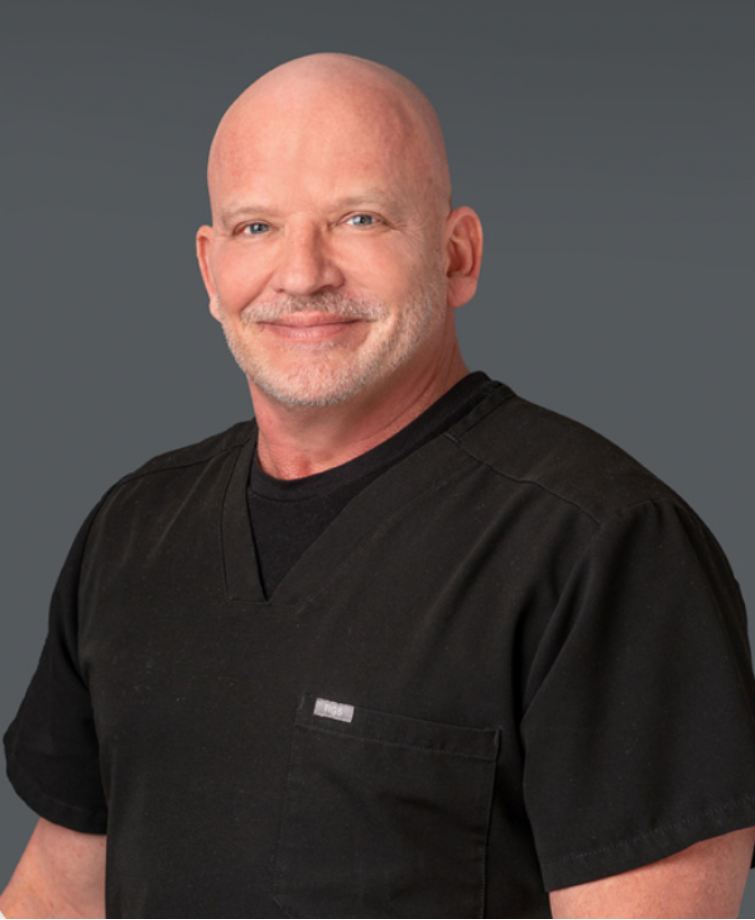
By Dr. Steve Tieche, Medical Director and Co-Founder of Recharge Clinic
My wife, Cynthia, has hypothyroidism. She has taken thyroid medication for more than 10 years, and she is usually the person reminding everyone else to take their medication correctly.
Then life became a lot busier this year.
That is a whole other story—and probably a whole other blog.
Her routine slipped. She did not completely make a conscious decision to stop her thyroid medication. She simply stopped taking it as consistently as she was supposed to.
The change was gradual, which made it easy to miss.
Her energy declined and her thinking became foggier. Because it happened slowly, it started to feel normal.
Then came the hair.
Roughly four months after her thyroid routine began slipping, Cynthia realized that her hair was coming out in massive amounts. The bottom of the shower was covered. Her hair was visibly thinning. By then, the change was impossible to ignore.
She was due for her thyroid labs. Her T3 and T4 were extremely low.
Then she confessed: “I haven’t really been taking my thyroid the way I’m supposed to.”
Yes, the CEO of Recharge Clinic—the woman who preaches thyroid consistency to everyone—had to relearn the lesson herself. She is embarrassed by it, but she also agreed that other people might learn from it.
After a medical evaluation, we adjusted her dose, and she returned to taking it consistently. The excessive shedding stopped. Now she sees only a minimal, normal amount of hair in the shower. Her energy is back. She feels awake, mentally sharp and more like herself. Cynthia felt so much better and had so much more energy that she insisted I write this blog so other people could benefit as well.
The thickness will take longer. Hair grows on its own schedule, and visible recovery often lags behind correction of the trigger. That is the lesson: thyroid changes can sneak up on you, and feeling better can remind you how poorly you had gradually begun to feel.
When the thyroid cannot make enough hormone, thyroid medication replaces what the body is missing. It is real hormone replacement and should be treated like real medical care.
The medication matters. The dose matters. How you take it matters. Follow-up matters.
A prescription sitting in a bottle cannot help you. Neither can a dose that no longer fits your body or a medication that is being absorbed inconsistently.
Levothyroxine contains T4; Synthroid is a brand-name version. T4-only medication is the traditional first-line treatment for hypothyroidism. It is generally stable in the bloodstream, and it works very well for some patients.
But many of the patients who come to Recharge Clinic are not starting from square one.
They have already been taking Synthroid or another form of levothyroxine. They have taken it correctly. Their dose may have been increased more than once. Their TSH may have even fallen within the laboratory’s reference range—but they still feel tired, foggy, cold, sluggish or unlike themselves.
That does not automatically prove that T3 is the answer. Fatigue, hair loss, brain fog and weight changes can have many causes, and responsible medicine means evaluating those possibilities instead of blaming everything on the thyroid.
But it also does not mean we should look at a “normal” TSH, ignore the patient sitting in front of us and tell them there is nothing else to consider.
The patient deserves a thoughtful review of their symptoms, medication, thyroid function, T4-to-T3 conversion and overall health.
Liothyronine, commonly known by the brand name Cytomel, contains T3—the more active thyroid hormone. The body normally converts T4 into T3, but patients do not all produce, convert or respond to thyroid hormones in exactly the same way.
At Recharge Clinic, some patients come to us after receiving little or no meaningful improvement from T4-only treatment. For an appropriately selected patient, we may consider a carefully monitored combination of T4 and T3.
Other patients come to us before ever trying thyroid medication. Depending on the patient’s symptoms, medical history, examination, and complete laboratory picture, I may decide to begin with low doses of compounded T4 and T3.
Is that the most traditional first step? No.
But traditional and scientific are not the same word.
We do not make treatment decisions simply because “that is how it has always been done.” We base those decisions on established thyroid physiology, available research, extensive clinical experience, and each patient’s individual findings.
This approach is not something I pulled out of thin air, nor is it my own version of thyroid medicine. Combination therapy has been studied and discussed by major thyroid organizations, particularly in the context of selected patients who continue to experience symptoms while taking T4 alone.
That distinction matters.
We are not saying everyone needs T3. We are saying some patients may be appropriate candidates, and they should be evaluated individually rather than placed into the same treatment box.
T3 acts faster and has a shorter duration in the body than T4. If the dose is too high or increased too quickly, patients may experience palpitations, shakiness, anxiety, sweating, insomnia or a “wired” feeling. Excess thyroid hormone can also create heart-rhythm and bone-health concerns.
That is why we start low when T3 is appropriate, monitor the patient carefully, repeat laboratory testing and adjust thoughtfully.
This is individualized medicine. “T3 helped my friend” is not a treatment plan—and neither is “everyone gets T4 because that is traditional.”
Desiccated thyroid products, including Armour Thyroid and NP Thyroid, are made from porcine thyroid and contain both T4 and T3. Some patients prefer them and feel well on them; others may feel overstimulated or may not be appropriate candidates. “Natural” does not automatically mean safer or better.
Compounded thyroid medication allows a prescriber to customize the amounts and ratio of T4 and T3 when a commercially available medication does not provide the right fit for an individual patient.
At Recharge Clinic, when compounded thyroid medication is appropriate, we use Recharge RX, a third-party-tested compounding pharmacy. That quality oversight matters because thyroid medication requires precision. Small differences in strength can make a meaningful difference in how a patient feels and in what we see on laboratory testing.
The benefit of compounding is flexibility. The responsibility is accurate prescribing, pharmacy quality, appropriate testing and careful medical monitoring.
Our goal is not to prescribe the most traditional treatment or the fanciest treatment.
Our goal is to understand the patient, understand the laboratory findings and prescribe the safest, most appropriate treatment that actually works for that individual.
Consistency is not a small detail. It is part of the treatment.
Food and certain medications or supplements can affect levothyroxine absorption. Many patients take it in the morning on an empty stomach; others use a consistent bedtime routine. Discuss the timing with your provider.
Iron, calcium, soy, certain antacids and some cholesterol medications can interfere with absorption. Switching brands or generic manufacturers can matter for some patients as well.
Tell your provider everything you take, including vitamins and over-the-counter products. If you have missed more than an occasional dose, say so.
Please do not be embarrassed. Your provider needs accurate information to interpret the labs and make a safe decision. Increasing a dose when the real issue is inconsistent use could create a problem once the medication is taken regularly again.
Cynthia’s honesty is what allowed us to understand her results and fix the actual issue.
Thyroid dysfunction can contribute to diffuse hair shedding, but it is not the only possible cause. Stress, surgery, rapid weight loss, iron deficiency, illness, hormone changes, medications and hereditary hair loss can also play a role.
Hair shedding may become noticeable months after the original trigger. The same delay can happen during recovery: shedding may slow before the patient sees meaningful thickness return because hair follicles need time to cycle back into growth.
So yes, Cynthia is watching for that fullness to return over the next year. She is also enjoying something that returned much faster: her energy and clarity.
Thyroid treatment is not something we prescribe once and never discuss again.
Dose needs can change with weight, pregnancy, menopause, aging, digestive problems, new medications and health changes. Labs should be rechecked after a dose change, and stable patients still need periodic monitoring. According to the standard of care, patients should get thyroid labs every four months and rechecked by their provider.
More medication is not always better. Too little can leave a patient hypothyroid. Too much can cause palpitations, anxiety, tremors, heat intolerance, sleep disruption and other complications. The target is appropriate replacement—not forcing the metabolism into overdrive.
If you want a deeper explanation of why some patients still struggle despite treatment, read Still Feeling Terrible on Thyroid Medication? Here’s What Most Patients Are Never Told.
When was the last time you checked whether your thyroid treatment still fits you? If your energy has slipped, your hair is thinning or you’re taking your medication but still don’t feel right, it’s time for a conversation. At Recharge Clinic, we can review your medication, routine and labs to help identify what needs attention. Visit us in Ocala, Lady Lake/The Villages or Clermont, with telehealth available throughout Florida when appropriate. Call 352-512-9996 or schedule your thyroid treatment review.
Tell your prescribing provider honestly. Do not change the dose on your own. Your provider can explain what to do after a missed dose and help create a routine that fits your medication, meals and other supplements.
It can contribute to dry, thinning hair or diffuse shedding. However, hair loss has many possible causes, so a proper evaluation may include thyroid labs, medication history, iron status, recent illness or surgery, stress, hormones and scalp or hereditary conditions.
The timeline varies. Shedding can lag behind the original trigger, and visible density takes longer because hair grows in cycles. Many patients need several months to see meaningful improvement. Persistent, patchy or worsening hair loss should be evaluated rather than assumed to be thyroid-related.
Recharge Clinic offers thyroid evaluations at our Ocala, Lady Lake—serving The Villages—and Clermont locations, with telehealth follow-up available throughout Florida when appropriate. Call 352-512-9996 or contact Recharge Clinic.
Cynthia’s story is funny now because she feels great and the alarming shedding stopped.
But the lesson is serious.
You do not have to accept worsening fatigue, brain fog or hair loss as “just life.” Those symptoms are your body’s way of telling you that something deserves attention.
Take the medication you were prescribed the way you were instructed. Tell your provider when you have not. Get the follow-up labs. Ask whether your dose and treatment still fit your body.
Even the people who know better sometimes need the reminder.
A Note for Providers and Patients
If you are a medical provider reading this to learn more about thyroid treatment, please understand that this blog is not clinical training. It is a simplified overview written for nonmedical readers—not a guide for diagnosing, prescribing or managing patients. I offer one-on-one clinical training for providers who want to learn how to apply this information safely and appropriately in practice.
If you are a patient struggling with thyroid symptoms, please do not use this blog—or information found online—to diagnose or treat yourself. Thyroid care should be individualized and guided by a qualified medical provider who can evaluate your symptoms, medical history and laboratory results.
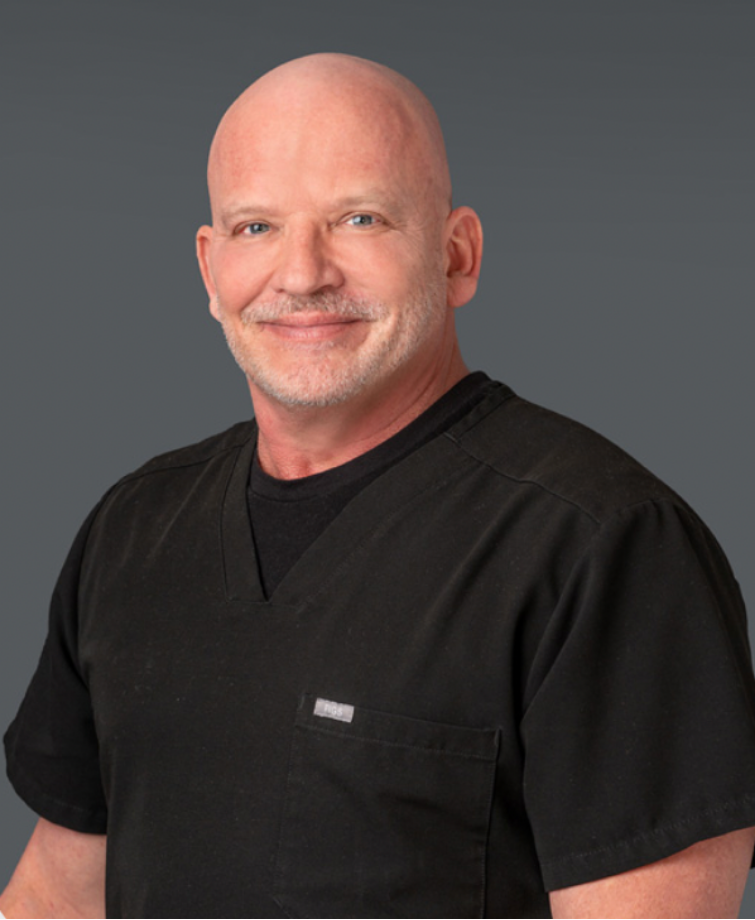
KLOW sounds like either a peptide combination or something one of my grandchildren would ask me to order from the internet.
In this case, it is the peptide combination.
KLOW contains KPV, TB-500, BPC-157 and GHK-Cu.
That is a lot of letters, a few numbers and absolutely no reason for you to need a medical dictionary before we continue.
Most patients do not care about memorizing peptide names. They want to know three things:
What does this do? Why would I use it? And is it actually going to help me?
Fair questions.
KLOW is generally discussed with patients who are interested in supporting recovery, inflammatory balance, tissue repair, gastrointestinal health, skin and connective tissue.
That does not mean I give someone KLOW because their knee hurts and declare the case closed.
Peptides are tools. Sometimes they are useful tools. But they still have to make sense for the person sitting in front of me.
The simplest way I explain peptides is that they act somewhat like short biological messages.
One message may be involved with inflammatory signaling. Another may influence the environment around tissue repair. Another may be involved in collagen or skin remodeling.
When we combine peptides, the goal is not simply to shout four times louder.
It is more like sending several related messages that may support the same larger objective.
And this is where I have to ruin the internet fantasy a little bit.
Biology is not a vending machine.
You do not insert KLOW, push the “repair” button and receive a brand-new shoulder.
Your age matters. Your injury matters. Your hormones matter. Your nutrition, sleep, activity, medical conditions and the reason you are having the problem in the first place all matter.
That is exactly why two people can use the same peptide plan and have completely different experiences.
So let’s break down what is actually inside KLOW.
KPV is a very small peptide fragment related to alpha-melanocyte-stimulating hormone.
You do not need to remember that.
What matters is that researchers have been interested in KPV because of its relationship with inflammatory signaling, particularly in areas such as the skin and gastrointestinal tract. Much of this research is still preclinical, which is why I talk about it as a biological tool we are interested in rather than as a treatment that has been proven to fix a particular disease.
Inflammation itself is not the enemy.
You need inflammation. It is part of how your immune system protects you and how your body begins repairing damaged tissue.
The problem is when the alarm keeps ringing long after the emergency should have been over.
That is part of why KPV is interesting. Researchers are studying how it may influence some of that inflammatory communication.
For certain patients whose recovery seems to involve an excessive amount of inflammatory “noise,” that becomes one piece of the conversation.
TB-500 is commonly discussed in connection with thymosin beta-4, a naturally occurring peptide involved in cellular movement and tissue-repair processes.
Thymosin beta-4 has been studied for functions involving cell migration, tissue protection and wound-repair biology. A great deal of that evidence comes from laboratory and animal research, so again, I am not going to pretend we know everything there is to know about it.
But the concept is fairly simple.
TB-500 does not grab a tiny toolbox and personally repair your tendon.
What interests us is its potential role in supporting the biological environment in which normal repair occurs.
That is why active adults often hear about TB-500 when they start researching recovery, flexibility, connective tissue or stubborn soft-tissue issues.
It is also why I still want to know what is actually wrong before we start throwing peptides at it.
If your shoulder hurts because you have a significant tear, we should probably know that.
Peptides do not replace diagnosis.
If you have spent more than about ten minutes reading about peptides online, you have probably already encountered BPC-157.
Patients commonly ask about it for recovery, connective tissue and gastrointestinal support.
Preclinical research has explored BPC-157 in relation to tissue repair involving muscle, tendon, ligament, gastrointestinal tissue and wound-healing processes. Human evidence remains much more limited than the enormous amount of enthusiasm surrounding it online.
We have already covered BPC-157 in more detail in our previous article, “Heal Faster. Burn Smarter. Recover Like You Used To.”
So I am not going to make you read the same blog twice with a different title.
That is annoying for both of us.
Inside KLOW, BPC-157 is one piece of a larger recovery-focused combination rather than the entire plan.
GHK-Cu is where this conversation starts crossing into a different territory.
GHK is a naturally occurring peptide that binds copper. Researchers have studied GHK-Cu for its relationship with tissue remodeling, fibroblast activity, collagen production and skin repair. More recent reviews continue to find an interesting biological rationale for its use in regenerative and aesthetic medicine, although larger standardized human trials are still needed.
That is why we may discuss GHK-Cu in several different conversations.
We may be talking about recovery.
We may be talking about collagen.
We may be talking about aging skin.
Or we may be talking about thinning hair and scalp health.
GHK-Cu is included in the KLOW blend, but it can also be used separately in a prescription topical cream for appropriate patients.
More on that in a minute.
When you look at the blend as a whole, you can see why these four ended up in the same conversation:
KPV: inflammatory signaling
TB-500: the tissue-repair environment
BPC-157: tissue and gastrointestinal support
GHK-Cu: tissue remodeling, collagen and skin support
You can think of them as approaching recovery from slightly different angles.
If someone tells me:
“My body just does not recover like it used to.”
“I stay stiff for days after doing something that used to barely bother me.”
“I keep trying to get back into exercise, but every time I start, something flares up.”
That is when it becomes reasonable to look at the bigger picture.
Sometimes several related biological signals may make sense instead of focusing on only one.
But let me emphasize something:
Four peptides are not automatically better than one.
Some patients may be better suited to a single peptide. Some may need physical therapy. Some may need hormone or thyroid treatment. Some need imaging. Some need to sleep more than five hours a night.
And sometimes peptides simply are not the answer.
That is why we evaluate the patient rather than selling everyone the same protocol.
We have worked with peptide therapy for years at Recharge, and one thing becomes very clear very quickly:
No two patients respond exactly the same way.
Many patients using recovery-focused peptide plans tell us that they simply do not feel as though soreness and irritation hang around as long.
Some describe easier movement. Some notice less stiffness.
Some tell us they recover more comfortably after exercise or physical therapy.
And one of the things I like hearing most is when someone says:
“I started doing things again.”
Maybe they are walking farther. Maybe they went back to the gym. Maybe they started playing golf again.
Maybe they stopped avoiding an activity because they knew they would pay for it for three days afterward.
For patients whose concerns include gastrointestinal comfort, some report that things simply feel calmer internally or that they feel less irritated and uncomfortable.
Not everyone experiences dramatic results.
Some patients notice gradual changes. Some notice subtle changes. And some notice very little.
That matters too.
If something is not helping you, I want to know that.
We do not assume a treatment worked simply because we prescribed it.
The entire point of individualized medicine is paying attention to what actually happens next.
This is probably one of the most important sections of this entire article.
A peptide is not going to make up for everything else your body needs.
Recovery may also require:
I am not going to pretend a peptide did all the work while physical therapy, nutrition, sleep and the patient’s own effort sat in the corner drinking coffee.
Peptides may help support the biology of recovery.
They do not make good medicine unnecessary.
GHK-Cu does not only appear inside KLOW.
For appropriate patients, GHK-Cu can also be compounded into a prescription topical cream through Recharge RX.
We may discuss topical GHK-Cu with patients concerned about:
GHK-Cu has a particularly interesting body of research around skin remodeling and collagen biology. Human clinical evidence is still limited, but recent reviews have found encouraging signals for skin quality and wrinkle appearance while also making clear that better trials are needed.
And no, this is not a facelift in a jar.
If a cream could lift your neck three inches by Friday, I would have retired and purchased an island by now.
GHK-Cu can also come up in conversations with patients who have acne-prone or inflamed skin, especially adults who are dealing with breakouts and the aftermath they leave behind.
Acne is not just about clogged pores. Inflammation, skin-barrier health and the way the skin repairs itself all play a role. GHK-Cu is interesting because of its relationship with inflammatory signaling, tissue remodeling and collagen production. That does not make it an acne medication in the traditional sense, but it may make topical GHK-Cu a useful part of a broader skin plan for certain patients—particularly when we are also concerned about redness, slow healing, uneven texture or the appearance of acne scars. Research on copper-based topical products has shown encouraging results in acne-prone skin, although the direct clinical research specifically on GHK-Cu for acne is still limited.
Some of our acne patients may use GHK-Cu cream alongside other treatments rather than instead of them. If someone has significant hormonal acne, excessive oil production, clogged pores or cystic breakouts, I still want to figure out why that is happening. That may mean looking at hormones, skincare, medications, diet or other factors rather than simply adding another cream.
Injectable GHK-Cu is a little different. Because it works systemically, patients sometimes notice broader changes in skin quality or inflammation while using peptide therapy, but I would not prescribe injectable GHK-Cu and tell someone, “This is your acne treatment.” We simply do not have strong human evidence to make that claim. If acne improves while the rest of the skin and inflammatory environment are improving, great—but I still treat the acne based on what is actually driving it.
With topical GHK-Cu, the changes patients describe are usually gradual, not dramatic overnight transformations.
Some patients tell us their skin looks smoother.
Others describe better texture, hydration or a healthier overall appearance.
Some say their skin simply looks less dull.
Patients who use GHK-Cu as one part of a hair or scalp program may tell us their hair feels healthier, that shedding appears to decrease or that they begin noticing signs of new growth over time.
I want to be especially careful with the hair conversation.
There is biological and laboratory interest in copper-binding peptides and hair follicles, but the direct clinical evidence for GHK-Cu specifically is still limited. Hair loss is also incredibly complicated. Hormones, thyroid function, nutrition, medications, genetics, stress and medical conditions can all play a role.
So if your hair is falling out because your thyroid is significantly abnormal, putting peptide cream on your scalp while ignoring your thyroid would be missing the point.
Again: figure out why something is happening.
Then decide what belongs in the treatment plan.
Patients sometimes ask:
“Can’t I just buy copper peptide skincare online?”
You certainly can buy cosmetic copper-peptide products.
But two containers can both say “copper peptide” on the front and still be very different products.
The formulation matters. The concentration matters. The stability of the ingredient matters. The base it is compounded into matters.
And where you are planning to use it matters.
Research has even highlighted one of the practical challenges with topical GHK-Cu: getting enough of a hydrophilic peptide through the skin barrier can be difficult, which is one reason formulation and delivery matter.
That does not mean every cosmetic serum is worthless.
It means the words on the front of the bottle are only the beginning of the conversation.
Sometimes, yes.
But please do not interpret that as permission to stand in your bathroom and layer twelve aggressive products together because more must be better.
It isn’t.
Depending on your treatment plan, GHK-Cu may sometimes be used alongside products such as tretinoin, retinol, vitamin C or exfoliating acids.
Timing becomes even more important around procedures such as:
Your skin barrier can be temporarily compromised after these treatments.
There is even a small randomized trial that evaluated a GHK-Cu skincare regimen following CO₂ laser resurfacing. Patient satisfaction was higher in the GHK-Cu group, but objective measurements did not show faster redness resolution or superior wrinkle improvement, which is exactly the kind of nuance I want patients to understand.
Sometimes something may fit into a post-procedure plan.
That does not mean you should invent your own post-procedure plan.
Follow the instructions of the provider treating your skin.
Prescription GHK-Cu cream is available through Recharge RX.
Recharge RX is a community compounding pharmacy and accepts prescriptions from licensed providers whether or not the patient receives care at Recharge Clinic.
In other words, you do not have to be a Recharge Clinic patient for your licensed medical provider to send an appropriate prescription to Recharge RX.
People who ask us about KLOW or GHK-Cu may be dealing with things such as:
But being interested in a peptide does not automatically mean you need one.
The better question is:
What are we trying to improve, and why is the problem happening in the first place?
That usually gets us much farther.
KLOW contains KPV, TB-500, BPC-157 and GHK-Cu. Each component is discussed for somewhat different aspects of inflammatory signaling, tissue support and repair biology.
No.
Active people certainly ask about recovery peptides, but you do not have to be training for a marathon or lifting twice your body weight to become frustrated with stiffness, soreness or slow recovery.
Whether KLOW makes sense depends on your health, your goals and what is actually causing the problem.
It varies considerably.
Some patients tell us they notice changes relatively early. Others describe a gradual improvement over time. Some do not notice enough benefit to continue.
That variability is exactly why we monitor how you respond instead of promising everyone the same timeline.
No.
Patients may ask about GHK-Cu for overall skin quality, texture, collagen support, certain scar concerns, hair or scalp support.
Whether it makes sense depends on what you are trying to improve and what is causing the concern.
Yes.
Recharge RX is a community compounding pharmacy and accepts appropriate prescriptions from licensed medical providers, including providers outside Recharge Clinic.
KLOW and GHK-Cu are interesting because they allow us to look at recovery from several different directions.
But this is still medicine.
It is not alphabet soup, and it is not magic.
Many of our patients report meaningful improvements in recovery, comfort, skin quality or hair support.
Other people notice more subtle changes.
And some do not respond the way we hoped.
My job is not to promise that your results will look like someone else’s.
My job is to understand what you are trying to improve, decide whether one of these options makes biological and medical sense for you, and then pay attention to how your body actually responds.
Because peptides work within your biology.
And your biology is uniquely yours.
If you are interested in KLOW, recovery peptides, GHK-Cu, skin or hair support, schedule a FREE consultation with Recharge Clinic.
We see patients in Ocala, Lady Lake/The Villages and Clermont, with Florida telehealth available when clinically appropriate.
Call 352-512-9996 or visit RechargeOcalaClinic.com to schedule your consultation.
For prescription GHK-Cu cream, Recharge RX can also fill appropriate prescriptions from licensed medical providers outside Recharge Clinic.
This article is for general educational purposes only and is not intended to diagnose, treat, cure or prevent any disease or medical condition. Individual responses to medications, compounded preparations and peptide therapies vary. A medical evaluation is necessary to determine whether a particular treatment is appropriate for you. Do not start, stop or change a prescription medication or peptide therapy based solely on information contained in this article.
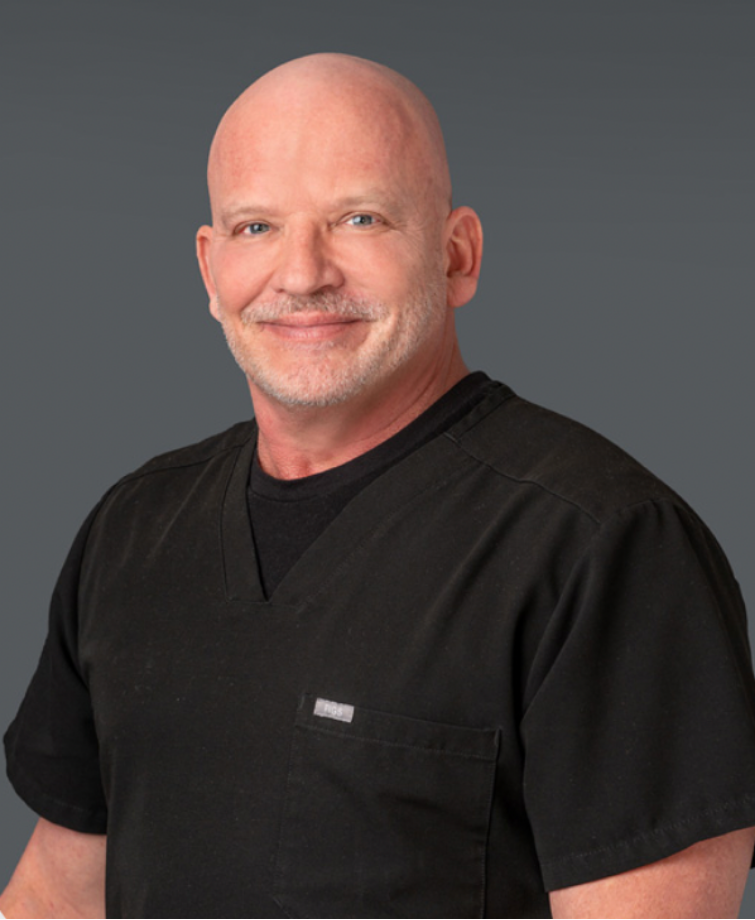
Some patients are ready to change their nutrition, exercise, schedule and entire relationship with food. But show them a tiny syringe and suddenly we are negotiating an international peace agreement.
I laugh about it, but fear of needles is very real. I have met plenty of patients who genuinely want help losing weight, but the minute I mention an injection, the conversation is over.
If that sounds like you, I want you to know two things.
First, you are definitely not the only one.
Second, depending on your individual medical needs, there may be a needle-free option worth discussing: a compounded semaglutide or tirzepatide orally disintegrating tablet, usually called an ODT.
Now, before anyone gets too excited and starts thinking, “Perfect! Give me the magic tablet,” let’s talk about what an ODT is, what it is not and why the medication is still only one part of a successful weight-loss plan.
ODT stands for orally disintegrating tablet. You place it in your mouth and allow it to dissolve according to the directions provided with your prescription.
It is not an injectable medication that someone poured into a tablet mold. It is a specially compounded dosage form, and the formulation matters because our bodies do not absorb every type of medication in exactly the same way.
This is also why an ODT should not be treated as identical to an injection. You cannot look at the number of milligrams in one and assume it matches the same number of milligrams in the other. Different route. Different absorption. Potentially different response.
There are also FDA-approved manufactured semaglutide tablets, but those products are not the same thing as a compounded ODT. They have their own formulation, instructions and approved uses. In other words, “oral semaglutide” is not one big interchangeable category.
That may sound like a lot of detail, but the simple version is this: an ODT is a different way of taking the medication, and we have to evaluate how you respond to it.
Patients often ask me which one is “better,” but that is not always the right question. The better question is: Which option makes the most sense for you?
Semaglutide works mainly with a hormone pathway called GLP-1. Tirzepatide works with GLP-1 and another pathway called GIP.
Both may help with things such as:
But neither medication is automatically right for everyone. Your health history, laboratory results, medications, goals, side effects and previous experiences all matter.
This is why I never want a patient choosing a medication because her friend lost weight on it, because she saw it on social media or because one name happens to be more popular that month. Your body is not your friend’s body—and it definitely is not an Instagram reel.
Fear of needles is the obvious reason, but it is not the only one.
Some patients travel constantly. Some have trouble giving themselves injections. Others have experienced irritation at an injection site or simply prefer taking medication as part of a daily routine. And some had one bad needle experience years ago and have been saying “absolutely not” ever since.
Those are valid concerns. I want a treatment plan that a patient can realistically follow.
At the same time, convenience cannot be the only consideration. A dissolvable tablet is not helpful simply because it is easier to take. It still needs to be medically appropriate, tolerable and effective enough for that particular patient.
No—and I would be very cautious of anyone who promises that they do.
Some patients respond very well to an ODT. Other patients may respond better to an injection or another approach. Because the medication is entering the body differently, absorption and results can vary.
That does not automatically make an ODT good or bad. It makes follow-up important.
We need to know: Are you less hungry? Are your cravings improving? Are you losing weight at a healthy pace? Are you nauseated? Are you drinking enough water? Are you constipated? Are you eating enough protein—or are you barely eating at all?
Those answers tell us much more than simply asking whether the number on the scale moved this week.
One of our patients was a 37-year-old woman who came to Recharge struggling with her weight and hormone issues.
She felt like she had tried to lose weight before, but she never really knew what to eat. She was choosing the wrong foods, eating portions that were too large and dealing with hunger that made it hard to stay consistent.
We began by evaluating her, reviewing her laboratory results and addressing her hormone needs. She started to lose some weight with hormone therapy, but appetite was still a big obstacle.
When we discussed adding medication to help, she made one thing extremely clear: she was not giving herself a shot.
Not “maybe later.” Not “let me think about it.” She was deathly afraid of needles, and injections were simply not going to happen.
So, after talking through her options, expectations and medical history, we considered a compounded tirzepatide ODT.
But we did not hand her a tablet and send her home to figure out the rest. She came in every week to meet with our weight-loss coach.
That weekly coaching was a huge part of her success. She learned which foods made sense for her goals, how to build meals around protein, how much water she needed and why eating too little was not the goal. Her coach also helped her begin a fitness routine so she could work on preserving muscle while she lost fat.
The tirzepatide ODT significantly reduced her hunger and cravings. Suddenly, following the nutrition plan did not feel like a fight from morning until night. She could make better choices without feeling as though food was constantly calling her name.
After the first couple of weeks, we evaluated how she was responding and increased her dose. That is an important detail: the dose was adjusted through medical follow-up—not because she decided on her own that more must be better.
Over three months, she lost approximately 30 pounds. She is now using a maintenance dose under medical supervision.
Here is what she told us:
“I am so thrilled to have been able to lose this weight finally, and even more thrilled I didn’t need to use needles!”
I love her story, but I also want to be honest about why it worked. The ODT helped quiet her hunger. It did not shop for her groceries, choose her meals, remind her to drink water or help her preserve muscle.
The medication was a tool. Her medical care, hormone treatment, nutrition changes, exercise and weekly accountability made it a complete program.
Her experience is personal to her, and individual results will vary.
I do not want patients simply becoming lighter. I want them becoming healthier.
If someone loses weight but also loses too much muscle, feels exhausted, becomes dehydrated and cannot go to the bathroom for a week, I am not going to call that a great plan.
At Recharge, we pay attention to the entire picture:
Weight loss should improve your life—not make you afraid to eat or obsessed with how fast the scale is dropping.
An ODT may be worth discussing if you strongly prefer a needle-free option, can follow the administration instructions consistently and are willing to return for follow-up.
You also need to understand that your results may be different from someone using an injection. This is not a “take it and disappear for six months” type of program. We need to see how your body responds and make thoughtful decisions from there.
An ODT is not going to be the best answer for every patient.
Another approach may make more sense if you need a medication with more predictable absorption, cannot consistently follow the ODT instructions, have a medical condition that changes the safety picture or expect medication to do all the work for you.
It may also be time to reset expectations if your only goal is to lose as much weight as humanly possible in the shortest amount of time. Faster is not always healthier, and more medication is not always better medication.
When appropriate for an individual patient, semaglutide and tirzepatide ODTs from Recharge RX are compounded pursuant to a valid, patient-specific prescription. You do not need to be a Recharge Clinic patient either. Recharge RX accepts prescriptions from all appropriately licensed providers with the ability to write prescriptions. Recharge RX uses third-party testing as part of its quality program.
Compounded medications are not FDA approved and should not be described as identical or equivalent to manufactured injections or tablets. They require a medical evaluation, a prescription and appropriate follow-up.
It means orally disintegrating tablet. The tablet dissolves in your mouth according to the directions provided with your prescription.
It may work well for some patients, but we cannot promise that it will work exactly like an injection. Absorption and results may be different. That is why we monitor your individual response.
Follow the schedule on your patient-specific prescription. The instructions can depend on the medication and formulation, so do not borrow a friend’s directions or try to convert an injection dose yourself.
Possibly, but it is not a milligram-for-milligram swap. Your clinician needs to review the formulation, choose the appropriate plan and monitor how you respond.
You can regain weight after stopping any weight-loss medication—especially if hunger returns and nothing else has changed. This is why we spend so much time on protein, exercise, food choices, hydration and accountability. We want you building habits that can support you through weight loss, maintenance and any future changes to your medication.
If fear of needles has kept you from getting help with weight loss, let’s talk about your options. Recharge Clinic proudly serves patients at our SE Ocala, NW Ocala, SW Ocala, Lady Lake and Clermont locations, as well as patients throughout Florida through convenient telehealth appointments. Our team will listen to your concerns, review your health and goals, and help determine whether a semaglutide or tirzepatide ODT—or another personalized approach—may be right for you. Call us today at 352-512-9996 or visit Rechargeclinic.com to schedule your consultation and take the first step toward feeling like yourself again.
This article is for general educational purposes and is not medical advice. Compounded drugs are not FDA approved. Eligibility, medication selection, dosing and monitoring are determined individually by a licensed clinician. Individual results vary.
Cold and flu season places a unique strain on both the body and everyday routines. Shorter days, disrupted sleep, higher stress levels, and increased exposure all combine to challenge immune defenses. When rest is inconsistent, medications are missed, or care becomes fragmented, the body has fewer resources to stay resilient. Over time, this added strain can make it harder to maintain wellness during peak illness months.
The most effective approach is not reactive treatment after symptoms appear. Sustainable wellness depends on routines that are supported consistently over time, particularly during periods when immune demand increases.
Recharge Clinic and Recharge RX work together to help patients remain supported, organized, and resilient when seasonal health challenges intensify. By combining provider-directed care with simplified pharmacy coordination, patients are better positioned to maintain stability year-round.
Periods of widespread illness tend to expose gaps in care quickly. Busy schedules, family responsibilities, travel, and increased stress often disrupt routines that normally support health. Even small interruptions — delayed refills, irregular sleep, or missed hydration — can accumulate and impact overall wellbeing.
Public health guidance from the
👉 Centers for Disease Control and Prevention (CDC)
https://www.cdc.gov/flu/prevent/index.html
emphasizes the importance of consistent sleep, hydration, nutrition, and adherence to provider-recommended care during higher-risk months. When these elements become irregular, immune response can suffer.
Healthy habits are most effective when they are realistic and easy to maintain. Systems designed for daily life help patients stay consistent even when external demands increase.
Recharge Clinic emphasizes sustained care rather than short-term solutions. Provider-directed programs are structured to support the body before, during, and after periods of increased health strain.
By addressing foundational systems such as metabolism, hormonal balance, physical recovery, and mobility, patients can strengthen their baseline health. This allows the body to respond more efficiently when stressors increase and supports steadier progress throughout the year.
Recharge Clinic programs are designed to support multiple aspects of health that influence resilience, including:
These areas work together to support habits during demanding seasons and throughout the year.
When treatment becomes irregular, recovery often takes longer. Missed refills, delayed prescriptions, and uncoordinated medication schedules can increase stress and reduce the effectiveness of care.
The
👉 National Institutes of Health (NIH)
https://www.niaid.nih.gov/diseases-conditions/common-cold
notes that continuity plays a significant role in immune performance and recovery. When routines break down, the body must compensate, often leading to fatigue or prolonged symptoms.
This is where Recharge RX plays a critical role.
Recharge RX is built to remove logistical obstacles that commonly disrupt consistency. By working directly with Recharge Clinic, medications and treatments are aligned with provider recommendations and integrated into daily life.
This coordination helps patients stay on track even when schedules shift or energy levels fluctuate.
Recharge RX offers practical solutions that make care easier to manage, including:
This streamlined approach allows patients to focus on wellness rather than logistics.
Learn more about pharmacy support built for real life at
👉 https://www.rechargepharmacy.com
Stress is a known factor that can weaken immune defenses. Seasonal illness already increases physical demand, and complicated healthcare logistics can add unnecessary pressure.
Recharge RX reduces this burden by keeping medications organized, delivered on time, and coordinated with clinical care. With fewer disruptions, routines are easier to maintain during demanding periods.
While seasonal illness presents a clear challenge, consistent care delivers benefits throughout the year. When routines remain stable, patients often experience:
We help patients build systems that support wellness beyond any single season.
Health challenges do not wait for ideal timing. Recharge Clinic and Recharge RX are designed for real life — busy schedules, changing demands, and evolving needs.
Together, they help patients:
Seasonal illness is unavoidable, but disrupted routines are not. With provider-directed care from Recharge Clinic and simplified pharmacy support from Recharge RX, maintaining consistency becomes far more manageable — even when life gets busy.
Focus on wellness rather than logistics. We can help with sustainability.
👉 Learn more at https://www.rechargepharmacy.com
Compounded skincare can be a powerful, personalized approach for those who want more than standard, off-the-shelf products can deliver. Whether you’re trying to correct stubborn hyperpigmentation, soothe and nourish compromised skin, or address concerns that require a more customized approach, compounding offers solutions you simply can’t find on store shelves. By tailoring ingredients, strengths, and delivery methods, compounded therapies are designed to work with your body—not against it, helping improve results while minimizing unnecessary irritation.
In this guide, we’re taking a closer look at two of the most commonly requested compounded skincare therapies and why they continue to stand out in personalized treatment plans:
We’ll explore how these therapies work, what sets compounded formulations apart from commercial products, and who may benefit most from a personalized skincare approach. Our goal is to break down the science without making it overwhelming, highlight real-world benefits, and show why compounding has become a trusted solution in modern, results-driven skincare.come a trusted solution in modern skincare.
Hydroquinone has long been considered the gold standard for treating hyperpigmentation, melasma, and dark spots. But not all hydroquinone products are created equal.
Hydroquinone works by inhibiting tyrosinase, an enzyme involved in melanin production. In simple terms: it helps fade dark spots and even skin tone.
Commercial hydroquinone products are often:
A compounded hydroquinone formula allows pharmacists to:
This customization can significantly improve tolerability and results, especially for patients who’ve failed OTC treatments.
External Resource:
American Academy of Dermatology – Hyperpigmentation Treatments
https://www.aad.org/public/diseases/skin-pigmentation
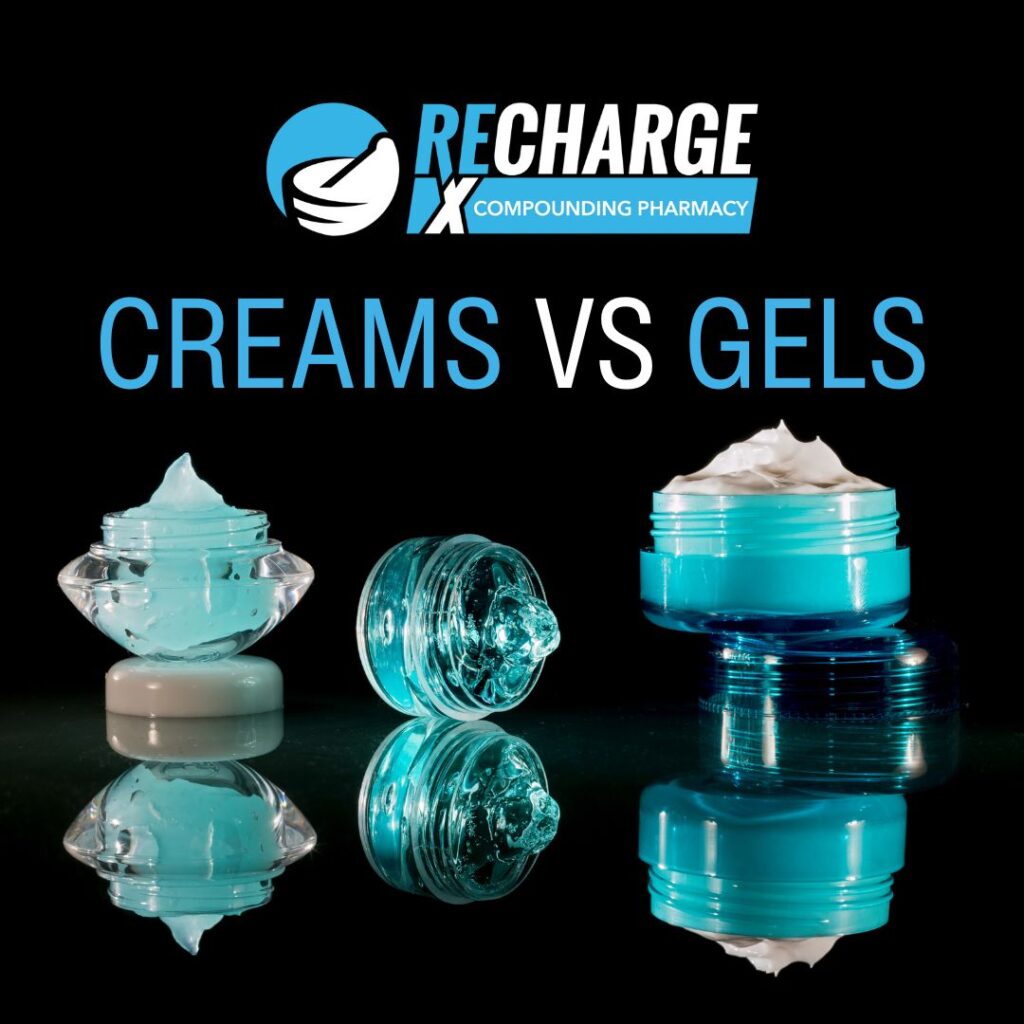
Vitamin E isn’t just a buzzword—it’s a clinically respected antioxidant with serious skin benefits.
Vitamin E (tocopherol) helps:
A compounding pharmacy can formulate Vitamin E into different bases depending on your skin’s needs:
Compounded Creams
Compounded Gels
Vitamin E is frequently compounded with ingredients like hyaluronic acid, aloe vera, or vitamin C to create multi-functional skincare therapies.
🔗 External Resource:
National Institutes of Health – Vitamin E Fact Sheet
https://ods.od.nih.gov/factsheets/VitaminE-Consumer/
External Resource:
Cleveland Clinic – Gabapentin Overview
https://my.clevelandclinic.org/health/drugs/21561-gabapentin
What sets compounding apart is precision. At Recharge Pharmacy, every formulation is created with intention—based on the patient, the prescriber, and the desired outcome.
Benefits include:
This is healthcare that adapts to you—not the other way around.
From brightening skin with hydroquinone, restoring moisture with Vitamin E creams and gels, to fine-tuning pain management with gabapentin capsules—compounded medications offer smarter, more personalized care.
If you’re tired of settling for “close enough,” compounding might be exactly what your treatment plan has been missing. Talk to the experts at Recharge Pharmacy to discover how customized formulations can be tailored to your unique needs. Contact us today or ask your provider about compounding options designed specifically for you.
Not every medication works the same way for every patient — and spironolactone is a perfect example.
Spironolactone has long been used for a variety of clinical purposes, including hormonal balance, acne management, and cardiovascular support. But when it comes to achieving the right results, dose, formulation, and consistency matter.
That’s where spironolactone compounding at Recharge Pharmacy makes the difference.
Spironolactone is a prescription medication traditionally classified as a potassium-sparing diuretic. Over time, providers have recognized its additional benefits, particularly its ability to block androgen receptors, making it useful in hormone-related conditions.
Today, spironolactone is commonly prescribed for:
Because these uses require different dosing strategies, compounded spironolactone allows providers to tailor treatment precisely.
According to the National Library of Medicine, spironolactone plays a role in regulating aldosterone and androgen activity, which explains its wide clinical use: https://www.ncbi.nlm.nih.gov/books/NBK554421/
CoCommercial spironolactone comes in limited tablet strengths, which can make fine-tuning therapy difficult — especially in hormone-focused care.
The U.S. Pharmacist highlights how compounded medications allow for precise dose adjustments when commercial options fall short:
https://www.uspharmacist.com/article/the-role-of-compounding-in-patient-care
Compounded spironolactone allows for:
At Recharge Pharmacy, compounding ensures spironolactone fits the patient — not the other way around.
Spironolactone is often prescribed for patients whose symptoms are influenced by androgen activity.
Compounding allows providers to start low, adjust gradually, and find the optimal therapeutic dose without unnecessary side effects.
One of the biggest advantages of compounding spironolactone is formulation flexibility.
Recharge Pharmacy works closely with providers to compound spironolactone in formats that best support compliance and absorption.
This flexibility is especially helpful for patients who:
At Recharge Pharmacy, precision is non-negotiable — especially when compounding medications that influence hormonal pathways.
Every compounded prescription is treated as a clinical responsibility, not a routine transaction.
Providers choose Recharge Pharmacy because we understand that compounded medications require accuracy, reliability, and partnership.
We support prescribers by offering:
This collaboration ensures patients receive consistent therapy — and consistent results.
Spironolactone therapy works best when patients understand how and why they are taking it.
Recharge Pharmacy emphasizes patient education by explaining:
Educated patients are more confident, more compliant, and more successful.
Spironolactone affects electrolyte balance and hormonal pathways, making safety essential.
Recharge Pharmacy compounds spironolactone under strict professional oversight, ensuring:
Our commitment to quality helps protect patient safety while supporting therapeutic success.
Hormone-related conditions are complex. Compounded spironolactone allows providers to approach treatment with precision instead of approximation.
By customizing dose and formulation, patients experience:
That’s the power of personalized compounding.
Whether spironolactone is part of a hormone optimization plan or a targeted acne treatment, Recharge Pharmacy delivers expert compounding with patient-first care.
If you’re a provider seeking a reliable compounding partner — or a patient looking for customized medication solutions — Recharge Pharmacy is here to support your health with accuracy, professionalism, and care.
Because better results start with better precision.
And precision starts at Recharge Pharmacy.
BI-EST unique blend of bioidentical estrogen—combining estradiol (E2) and estriol (E3)—is considered one of the most physiologic approaches to bioidentical hormone replacement therapy (BHRT) because it mirrors the natural estrogen ratios many women produce during their healthiest reproductive years. The pairing of E2 and E3 offers comprehensive hormonal support for women navigating perimenopause, menopause, or estrogen deficiency following hysterectomy, aging, or chronic hormonal imbalance.
The synergistic effect of these two estrogens helps deliver powerful relief from hot flashes, night sweats, brain fog, weight fluctuations, low libido, vaginal dryness, and emotional instability. Estriol, often called the “protective estrogen,” is especially valued for its gentle support of breast tissue, vaginal comfort, urinary health, and skin hydration. Meanwhile, estradiol provides the strength needed for metabolic function, cognitive clarity, temperature regulation, and overall hormone balance.
Unlike synthetic forms of hormone replacement therapy, bioidentical estrogen binds naturally to estrogen receptors, allowing women to experience smoother, more predictable symptom relief with fewer unwanted side effects. Many report that this approach feels more “natural,” “balanced,” and emotionally stabilizing compared to traditional synthetic options.
Because this therapy can be compounded into multiple delivery methods—such as topical creams, transdermal gels, sublingual drops, oral capsules, or long-lasting BHRT pellets—it offers exceptional customization. This allows clinicians to create a hormone replacement therapy plan tailored to each woman’s unique physiology, lifestyle, and long-term wellness goals, supporting optimal hormone balance with precision and flexibility.
BI-EST is a customized blend of two bioidentical estrogens:
A common formula is 80% estriol + 20% estradiol, but doses are personalized based on needs, labs, and symptoms.
These estrogens are called bioidentical because they have the exact molecular structure as the hormones naturally produced by a woman’s body — meaning they bind to estrogen receptors precisely the way endogenous hormones do. This is what makes BI-EST bioidentical estrogen more physiologic, better tolerated, and often more effective than traditional synthetic HRT.
🔗 Further reading: What are bioidentical hormones?
Mayo Clinic: https://www.mayoclinic.org/diseases-conditions/menopause/in-depth/bioidentical-hormones/art-20045817
Women experiencing perimenopause, menopause, or surgical menopause often turn to BI-EST hormone replacement therapy because of its:
Because BI-EST bioidentical estrogen mimics natural estrogen, women typically report smoother symptom relief and more emotional stability.
Unlike one-size-fits-all synthetic pills, BI-EST can be compounded into:
Dosing is easily titrated to achieve optimal hormone balance based on labs and symptoms.
BI-EST bioidentical estrogen is widely used to ease menopausal symptoms including:
Research shows estrogen has protective effects on:
🔗 Cleveland Clinic: Estrogen therapy benefits
https://my.clevelandclinic.org/health/treatments/15245-estrogen-therapy
Hormone balance isn’t about boosting estrogen alone — it’s about creating synergy with progesterone, testosterone, thyroid hormones, and adrenal function.
BI-EST bioidentical estrogen helps regulate:
Estrogen interacts with neurotransmitters, helping improve mood, motivation, and emotional stability.
Balanced estrogen supports insulin sensitivity and reduces midsection weight gain.
Estrogen maintains vaginal tissue elasticity, lubrication, and libido.
Estrogen regulates temperature and promotes deeper, more restorative sleep.
Many women report restored memory, focus, and mental clarity.
This is why BI-EST hormone replacement therapy is one of the most effective tools for comprehensive hormone balancing.
Synthetic hormones such as Premarin or synthetic estradiol pills are derived from non-human sources and are not molecularly identical to human estrogen.
| Bioidentical Estrogen (BI-EST) | Synthetic Estrogen |
|---|---|
| Plant-derived (usually from yams) | Often derived from pregnant mare urine |
| Molecularly identical to human estrogen | Structurally different |
| Custom-dosed to the woman | One-size-fits-all |
| Typically fewer side effects | More reports of side effects |
| Supports overall hormone balance | Can disrupt hormone ratios |
This difference is why so many women turn to bioidentical hormone replacement therapy rather than older synthetic options.
🔗 ACOG: Bioidentical vs synthetic hormones
https://www.acog.org/womens-health/faqs/hormone-therapy-and-menopause

Most hormone clinics use one of these delivery methods:
Tiny pellets inserted under the skin release steady hormones for months.
Applied to thin-skin areas, offering easy dose adjustments.
Dissolve under the tongue or taken orally for rapid absorption.
Your provider will choose the delivery method and dose based on symptoms, labs, and response.
When monitored by trained hormone professionals, BI-EST bioidentical estrogen is considered safe and effective for most women. Compounded BHRT requires:
Women with a history of hormone-sensitive cancers should always consult a specialist before using any estrogen therapy.
BI-EST may be ideal for women experiencing:
Signs of estrogen deficiency include:
If these symptoms resonate, BI-EST hormone replacement therapy may help restore balance and vitality.
One of the biggest advantages of choosing Recharge Clinic for hormone replacement therapy is that your bioidentical estrogen formulations are compounded on-site at Recharge Pharmacy. Unlike mass-produced medications, our compounded prescriptions are created fresh, customized, and precisely dosed based on each woman’s lab work, symptoms, and hormone balance needs.
Having an in-house compounding pharmacy allows us to:
Your blend of estriol and estradiol is tailored to your optimal ratio, not a one-size-fits-all standard. This ensures more effective relief from menopause and perimenopause symptoms.
Medications are prepared on demand using high-purity ingredients, giving you consistent potency and exceptional quality control.
Because compounding is done on-site, we can create the hormone format that fits your lifestyle, including:
If your hormone levels shift or your symptoms change, your prescription can be adjusted immediately—with no delays from outside pharmacies.
Your hormone provider and our compounding pharmacists collaborate daily, ensuring a fully integrated, highly tailored hormone replacement therapy plan.
BI-EST bioidentical estrogen offers women a scientific, natural-feeling, highly customizable way to restore hormone balance, relieve life-disrupting symptoms, and reclaim long-lost energy, mood, and well-being. As one of the most effective forms of bioidentical hormone replacement therapy, it has become the go-to solution for women who want to feel vibrant, balanced, and fully alive — at any age.
We’ve all had that moment—you reach for your prescription bottle and realize it’s empty. You meant to reorder, but life got busy. Suddenly you’re off schedule and feeling off balance.
It’s not a lack of discipline—it’s a system problem. That’s why Recharge RX was built: to make staying consistent effortless. We deliver prescriptions right to your door, offer free shipping and 5% off your first shipment, and even give you 50% off your first prescription transfer when you make the switch.
No more waiting in line. No more forgetting. Just better health, simplified.
Free Shipping + 5% Off Your First Shipment
Get rewarded from day one—your first prescription order ships free and at a discount.
50% Off Your First Prescription Transfer
Switch to Recharge RX today and save big on your very first transfer.
Home Delivery, Always
Skip the pharmacy lines—your meds arrive at your doorstep before you run out.
Custom Compounded Medications
Our licensed compounding pharmacy creates tailored medications to match your specific health needs—whether that’s unique dosages, hormone blends, flavor adjustments, or alternative delivery forms like creams or troches.
OTC, Custom, and Commercial Meds All in One Place
We stock over-the-counter products, commercial prescriptions, and fully customized formulas. Your entire wellness routine—handled by one pharmacy.
RxLocal App Integration
Refill, track, and message your pharmacist through the RxLocal app. (Learn more here.)
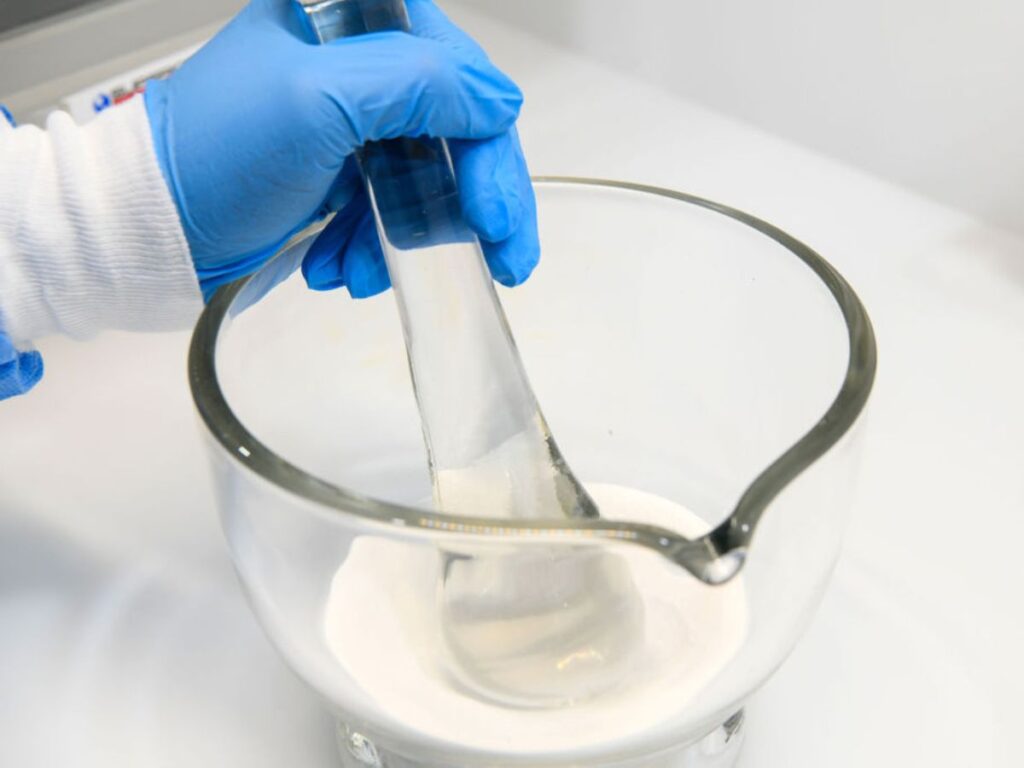
One size rarely fits all—especially in healthcare. That’s why Recharge RX’s compounding pharmacy crafts medications made for you.
Whether it’s adjusting a dosage, combining ingredients, or turning a pill into a cream, compounding allows us to personalize treatment for:
According to Pharmacy Times, customized compounding helps thousands of patients who need alternatives not available in commercial form (Pharmacy Times, 2023).
Getting started takes minutes—here’s how:
1️⃣ Go to RechargePharmacy.com.
2️⃣ Create your account and choose your medication.
3️⃣ Select “Transfer Prescription” to get 50% off your first transfer.
4️⃣ Choose your delivery frequency—monthly, bimonthly, or quarterly.
5️⃣ Download the RxLocal app to manage everything from your phone.
Your first order ships free with 5% off—and after that, you’ll never need to worry about running out again.
Health results don’t come from motivation—they come from consistency. With Recharge RX, your system is automated:
You stay on track effortlessly—because your pharmacy does the heavy lifting.
Fall is when routines change, schedules tighten, and priorities shift. It’s also the perfect moment to simplify your health plan before life gets hectic.
By joining Recharge RX now, you:
No stress. No missed doses. No pharmacy lines.
“Recharge RX made managing my prescriptions so much easier. Everything just arrives on time.”
“The compounding options were a game-changer for my hormone therapy.”
“I switched my prescriptions and got 50% off right away—plus the free shipping was awesome.”
Recharge RX isn’t just a pharmacy—it’s a system for consistency, convenience, and control.
Motivation fades. Systems sustain. Recharge RX is your system—built to keep your health routine running smoothly.
Free Shipping + 5% Off Your First Shipment
50% Off Your First Transfer
Home Delivery for Every Order
Custom Compounded, OTC, and Commercial Meds
Seamless Management Through RxLocal
Switch once. Save instantly. Stay consistent.
Start your Recharge RX journey today—because great health shouldn’t depend on reminders.
If your sex drive could use a reboot, PT-141 might be your new favorite peptide.
Also known as bremelanotide, it was first developed to tan skin — but researchers quickly noticed something far more exciting: it dramatically boosted sexual desire.
Unlike Viagra or Cialis (which simply increase blood flow), PT-141 works directly on your brain’s arousal centers, reigniting the mental side of desire.
Think of it as flipping the switch back on — for both men and women.
And here’s the best part: at Recharge Clinic, we don’t just dispense PT-141.
Our on-site compounding pharmacy, Recharge RX, formulates customized doses specifically tailored to your body, goals, and comfort level.
Deep inside your brain are special receptors called melanocortin receptors (MC3R and MC4R).
PT-141 binds to these, triggering a cascade of signals that naturally enhance sexual desire — not by forcing a physical reaction, but by helping you actually feel interested again.
Fun fact: The same receptors that PT-141 activates are linked to mood and motivation — which explains why many patients say they feel confident, energized, and “in the mood” again.
After PT-141 crosses the blood-brain barrier, it activates areas like the hypothalamus and limbic system — your body’s pleasure HQ.
Here, it amps up dopamine, the “feel-good” neurotransmitter that drives motivation, excitement, and reward.
That dopamine surge helps bring back natural desire, improves focus, and breaks performance anxiety loops.
Unlike quick-fix pills, PT-141 revives the connection between your brain and your body — and that’s where real passion lives.
Even though PT-141’s main action happens in the brain, it still supports your body’s response.
It can help relax blood vessels through nitric oxide release, improving genital blood flow —
which means:
This double-action effect — brain + body — is what makes PT-141 such a game-changer.
PT-141 is usually given as a tiny subcutaneous injection, and it works fast — most people feel results in 30–60 minutes.
Because everyone’s body chemistry is unique, Recharge RX can craft custom doses that hit your ideal timing and intensity — no one-size-fits-all here.
PT-141 (FDA-approved as Vyleesi) is clinically proven to help premenopausal women with hypoactive sexual desire disorder (HSDD).
It increases satisfying sexual experiences and reduces distress about low desire.
In other words: it helps women want again — not just “go along.”
Although not officially FDA-approved for men, PT-141 is used off-label for low libido and erectile dysfunction, particularly when stress, hormones, or psychological factors are involved.
At Recharge Clinic, our experts often pair PT-141 with hormone optimization or testosterone therapy for even better results.

What makes Recharge Clinic’s PT-141 different?
Our Recharge RX compounding pharmacy prepares individualized formulations — adjusting concentration, volume, and even delivery method if needed.
Whether you need a microdose for mild libido support or a more robust formulation for therapeutic effect, we craft it in-house under sterile conditions for maximum potency and purity.
Because your chemistry is unique — your dose should be, too.
Like any medication, PT-141 can cause mild effects such as:
These are typically mild and fade quickly. Still, anyone with uncontrolled hypertension or heart disease should consult a provider first.
The advantage of working with Recharge RX is that we can fine-tune your dose to minimize side effects while maximizing benefits.
Clinical trials confirm PT-141’s ability to increase sexual desire and satisfaction.
It’s one of the few therapies that acts centrally — in the brain — instead of just in the body, which makes it uniquely effective for both men and women.
Peer-reviewed studies show that PT-141 not only improves sexual responsiveness but also enhances overall well-being and confidence.
For deeper reading, check out:
PT-141 isn’t a magic pill — it’s a scientifically-backed reboot for your desire.
By working directly in the brain, it restores natural sexual motivation and confidence from the inside out.
At Recharge Clinic, we’re proud to offer custom-compounded PT-141 right from our on-site pharmacy, Recharge RX, where every dose is mixed to fit you — your body, your goals, your chemistry.
👉 Ready to reignite your drive? Visit RechargePharmacy.com or stop by Recharge Clinic to learn how PT-141 peptide therapy can help you feel your best again — in every way.
BLT Numbing Cream is a powerful topical anesthetic formulated to make your cosmetic and medical procedures virtually pain-free. At Recharge Clinic, our Recharge RX Compounding Pharmacy expertly prepares this potent blend of benzocaine, lidocaine, and tetracaine—the three ingredients that give BLT its name and numbing power.
Whether you’re preparing for microneedling, laser treatments, dermal fillers, tattoos, or other aesthetic procedures, BLT Numbing Cream ensures your comfort from start to finish. This professional-grade formula is fast-acting, long-lasting, and customized right here at Recharge RX to meet the highest standards in patient care and safety.
The acronym BLT refers to its three active numbing ingredients:
This synergistic trio delivers powerful, reliable pain control—ideal for both short and extended treatments.
BLT Numbing Cream works by blocking nerve signals in the skin. Once applied, the cream’s active ingredients penetrate the outer layer of the skin (epidermis), desensitizing nerve endings and preventing pain sensations from reaching the brain.
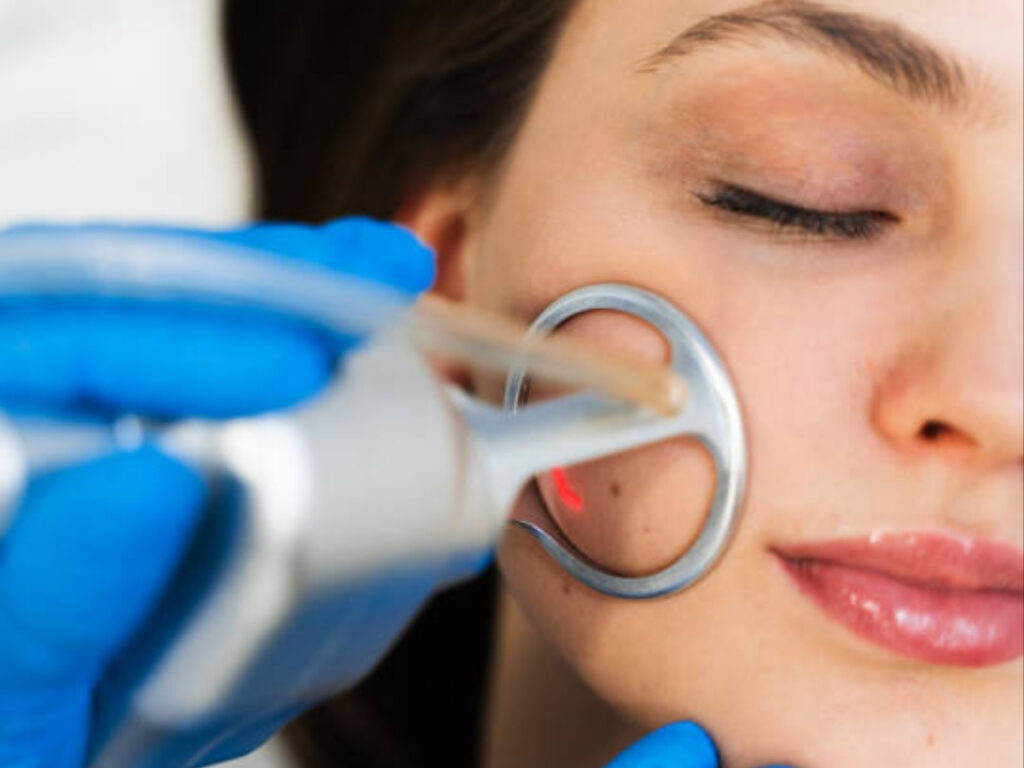
You can use BLT Numbing Cream before:
Minor Dermatologic Procedures
Microneedling and RF Microneedlin
Laser Resurfacing
Dermal Fillers & Injectables
Tattoo Application & Removal
Electrolysis & Waxing
Most users experience full numbing within 20–30 minutes, with effects lasting up to 2 hours—enough to keep you comfortable through your entire session.
When it comes to numbing creams, not all are created equal. Here’s why Recharge RX’s BLT Numbing Cream stands above the rest:
By using a pharmacy-compounded numbing cream, you’re getting a formula that’s fresher, safer, and more effective than standard over-the-counter options.
At Recharge Clinic, we understand that comfort and safety are key to every treatment. That’s why our Recharge RX Compounding Pharmacy creates BLT Numbing Cream in-house.
This personalized approach ensures stronger, more consistent numbing effects than generic, pre-packaged creams.
Follow these professional steps to ensure safe and effective numbing:
⚠️ Important: Use only under the supervision of your provider. BLT cream is a prescription-strength anesthetic.
Because BLT Numbing Cream is a potent medical compound, it should be applied according to professional guidance.
Avoid:
Mild side effects may include temporary redness or tingling. If irritation or allergic reaction occurs, stop use and consult your provider immediately.
Most store-bought numbing creams contain lidocaine 4–5% as the only active ingredient—sufficient for small areas or mild discomfort, but not for professional procedures.
By contrast, Recharge RX’s BLT Numbing Cream offers:
| Feature | OTC Cream | BLT Numbing Cream (Compounded) |
|---|---|---|
| Ingredients | Lidocaine only | Benzocaine, Lidocaine, Tetracaine |
| Strength | Mild (4–5%) | High (Compounded Professional Formula) |
| Duration | 30–60 min | Up to 2 hours |
| Customization | None | Tailored to procedure and skin type |
For maximum comfort and predictable results, clinicians and patients prefer BLT Numbing Cream compounded by professionals like those at Recharge RX.
You can obtain BLT Numbing Cream directly through our Recharge Clinic providers. It’s compounded on-site at the Recharge RX Pharmacy, ensuring fast turnaround and uncompromising quality.
Contact us or visit the clinic to request your customized numbing formulation before your next procedure.
Available at:
📍 Recharge Clinic – Ocala, Florida
📍 Recharge RX Compounding Pharmacy – On-site formulation center
1. How long does BLT cream last?
Up to 2 hours of numbing, depending on your skin and the procedure.
2. Can I use it for tattoos?
Yes—BLT cream is ideal for tattoos, laser removal, and touch-ups.
3. Is it safe for sensitive skin?
Yes, but consult with your provider if you have allergies or skin conditions.
4. How soon before treatment should I apply it?
Apply 20–30 minutes before your session.
5. Is it available for home use?
Since it’s prescription-strength, it should only be used under medical supervision.
When it comes to comfort, results, and safety, Recharge RX BLT Numbing Cream is the top choice for both patients and providers. Compounded in-house by our expert pharmacists, it delivers fast, deep, and lasting anesthesia to make every treatment more comfortable and stress-free.
Whether you’re getting Botox, fillers, microneedling, laser resurfacing, or tattoos, our pharmacy-compounded numbing cream ensures the best possible experience.
Schedule your appointment today at Recharge Clinic and experience the difference professional compounding makes.
